Architects of History
The remarkable individuals who forged the Asante Kingdom and bridged two great civilizations
Founding Figures
Osei Tutu I
c. 1660 – 1717First Asantehene, Founder of Asante Empire
Osei Tutu I transformed scattered Akan chiefdoms into the mighty Asante Empire through brilliant military strategy and political innovation. Working with his spiritual advisor Okomfo Anokye, he created the Golden Stool legend that unified diverse peoples under one sacred authority.
Major Achievements:
- Defeated Denkyira at Battle of Feyiase (1701)
- Established Kumasi as imperial capital
- Created centralized administrative system
- United Akan states into confederation
Okomfo Anokye
c. 1655 – c. 1717High Priest, Spiritual Architect of Asante
The legendary priest-physician who provided the spiritual foundation for the Asante Empire. His wisdom, healing powers, and political acumen made him the perfect partner for Osei Tutu I in uniting the Akan peoples.
Major Contributions:
- Created the Golden Stool legend
- Established religious and legal framework
- Instituted Odwira purification festival
- Provided spiritual legitimacy to new state
Expansion Era Rulers
Opoku Ware I
c. 1700 – 17502nd Asantehene, Greatest Expansion
Known as Opoku Ware the Great, he expanded the Asante Empire to its largest territorial extent, reaching from the Atlantic coast to the northern savannah. His military campaigns and diplomatic skills established Asante as the dominant West African power.
Territorial Conquests:
- Bonoman, Gyaman, Akyem, and Kwahu states
- Northern savannah territories (Gonja, Dagbon)
- Reached peak territorial extent of empire
Heroes of Resistance
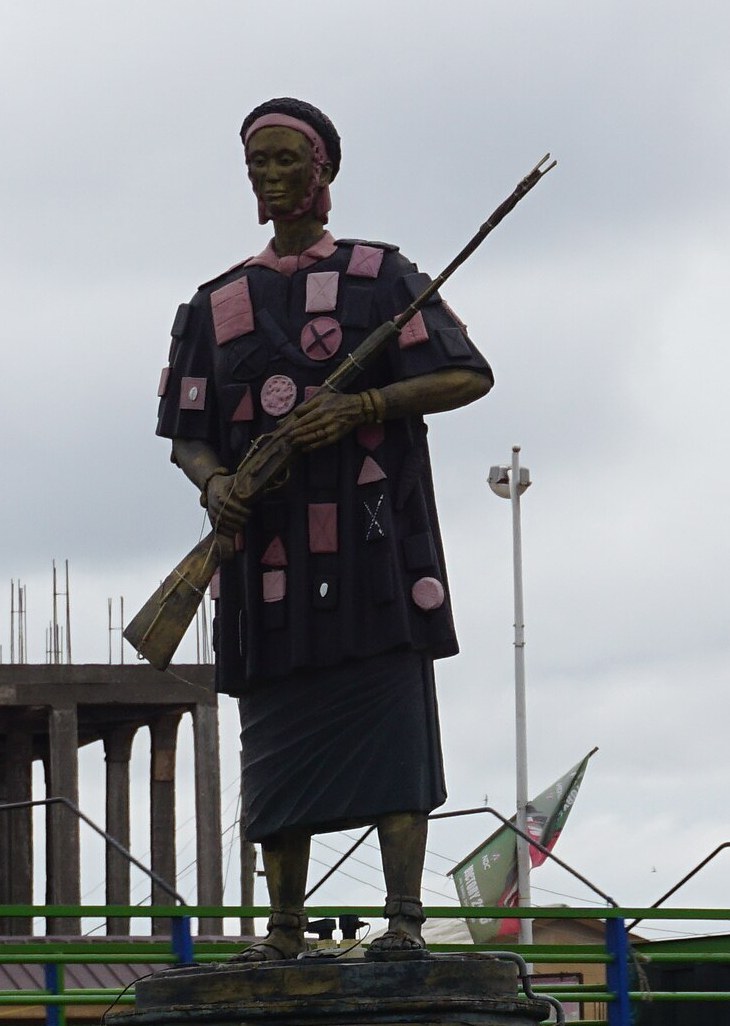
Yaa Asantewaa
c. 1840 – 1921Queen Mother of Ejisu, War Leader
The lioness of Asante who led the final resistance against British colonialism. When the men hesitated, she donned the war dress and rallied the nation to protect their most sacred symbol—the Golden Stool—from foreign capture.
Courageous Leadership:
- Rallied Asante chiefs when men hesitated
- Led siege of British fort at Kumasi (March-Sept 1900)
- Protected Golden Stool from capture
- Exiled to Seychelles but never broken
"Is it true that the bravery of Asante is no more? I cannot believe it. It cannot be! I must say this: if you, the men of Asante, will not go forward, then we will. We, the women, will. I shall call upon my fellow women. We will fight the white men until the last of us falls in the battlefields."
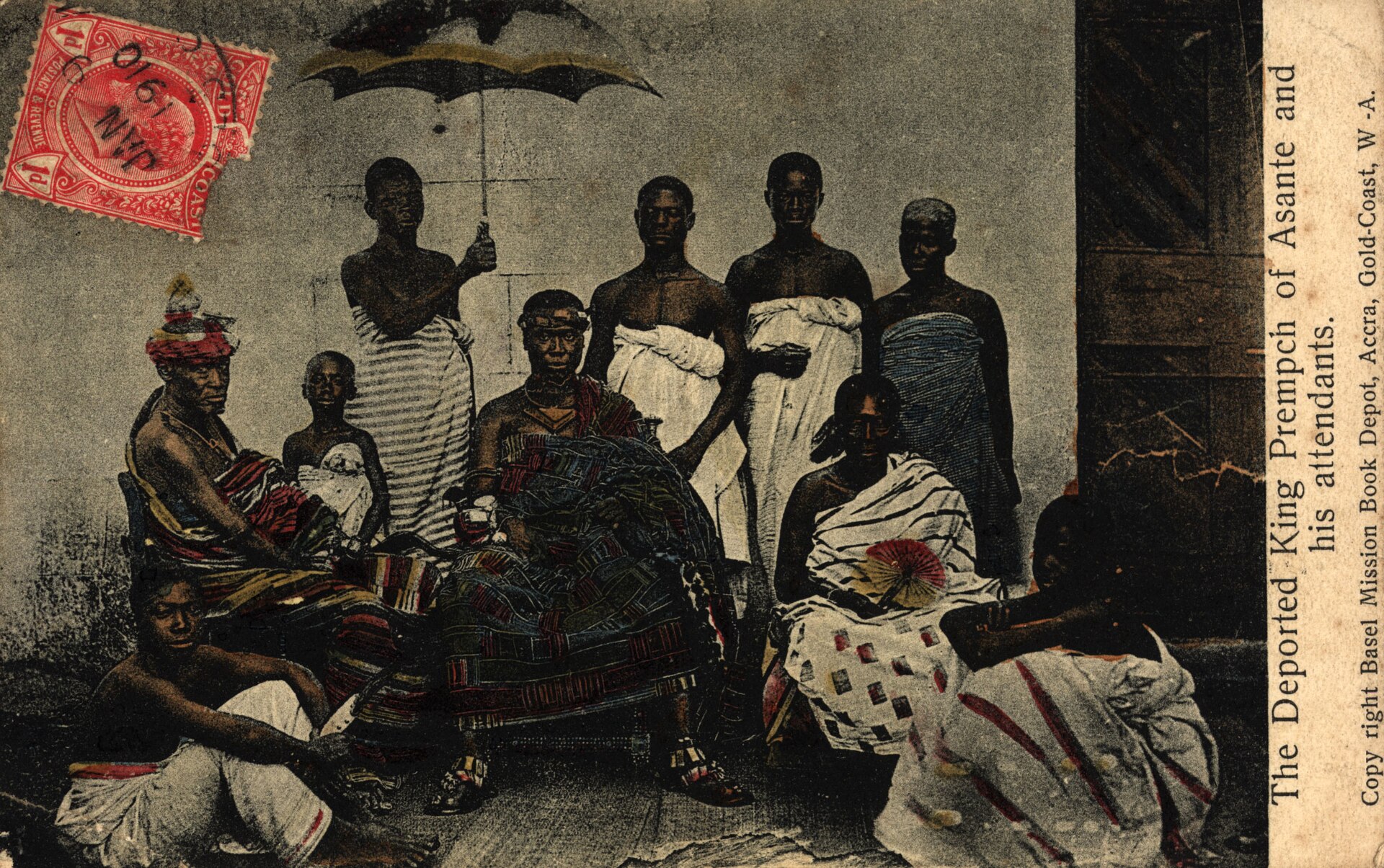
Prempeh I
1870 – 193113th Asantehene, Symbol of Resistance
The dignified Asantehene who chose exile over submission to British colonial demands. His steadfast refusal to compromise Asante sovereignty made him a symbol of African resistance to European imperialism.
Notable Events:
- Resisted British colonial takeover (1896)
- Exiled but maintained dignity and authority
- Returned to hero's welcome (1924)
Bridge Between Two Worlds
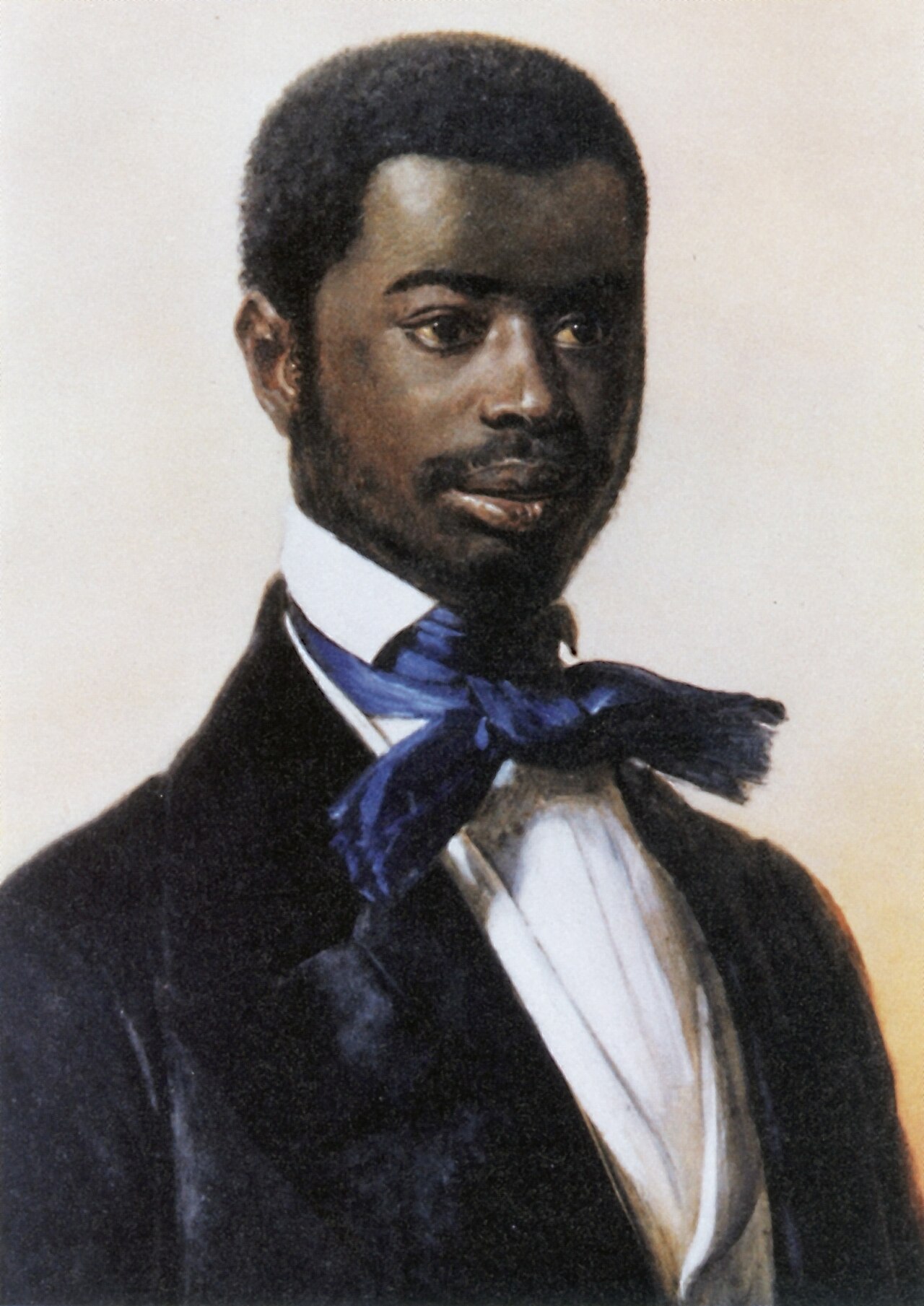
Kwasi Boachi
1827 – 1904Asante Prince, Cultural Ambassador
The young Asante prince whose extraordinary journey from the Gold Coast to the Netherlands created the first educational and cultural bridge between our two nations. His story embodies both the promise and pain of cross-cultural exchange.
Life in Netherlands:
- Educated in European sciences and politics
- Lived at Dutch royal court
- Later worked in Dutch colonial service
- Struggled with identity between two cultures
Cultural Legacy:
- Novel: "The Two Hearts of Kwasi Boachi" (1997) by Arthur Japin
- Opera: Opera composed by Jonathan Dove
- Archives: Memoirs preserved in Dutch National Archives
His story represents the complex reality of cultural exchange, identity, and the human cost of living between two worlds.
Modern Era Leaders
Osei Tutu II
1950 – Present16th Asantehene (1999 – Present)
The current occupant of the Golden Stool, continuing the sacred lineage established by his namesake over 300 years ago. A modern traditional ruler who champions education, development, and international cultural exchange while preserving Asante heritage.
Leadership:
- Enstooled April 26, 1999
- Promotes education and development
- International cultural ambassador
- Maintains Asante traditions in modern Ghana