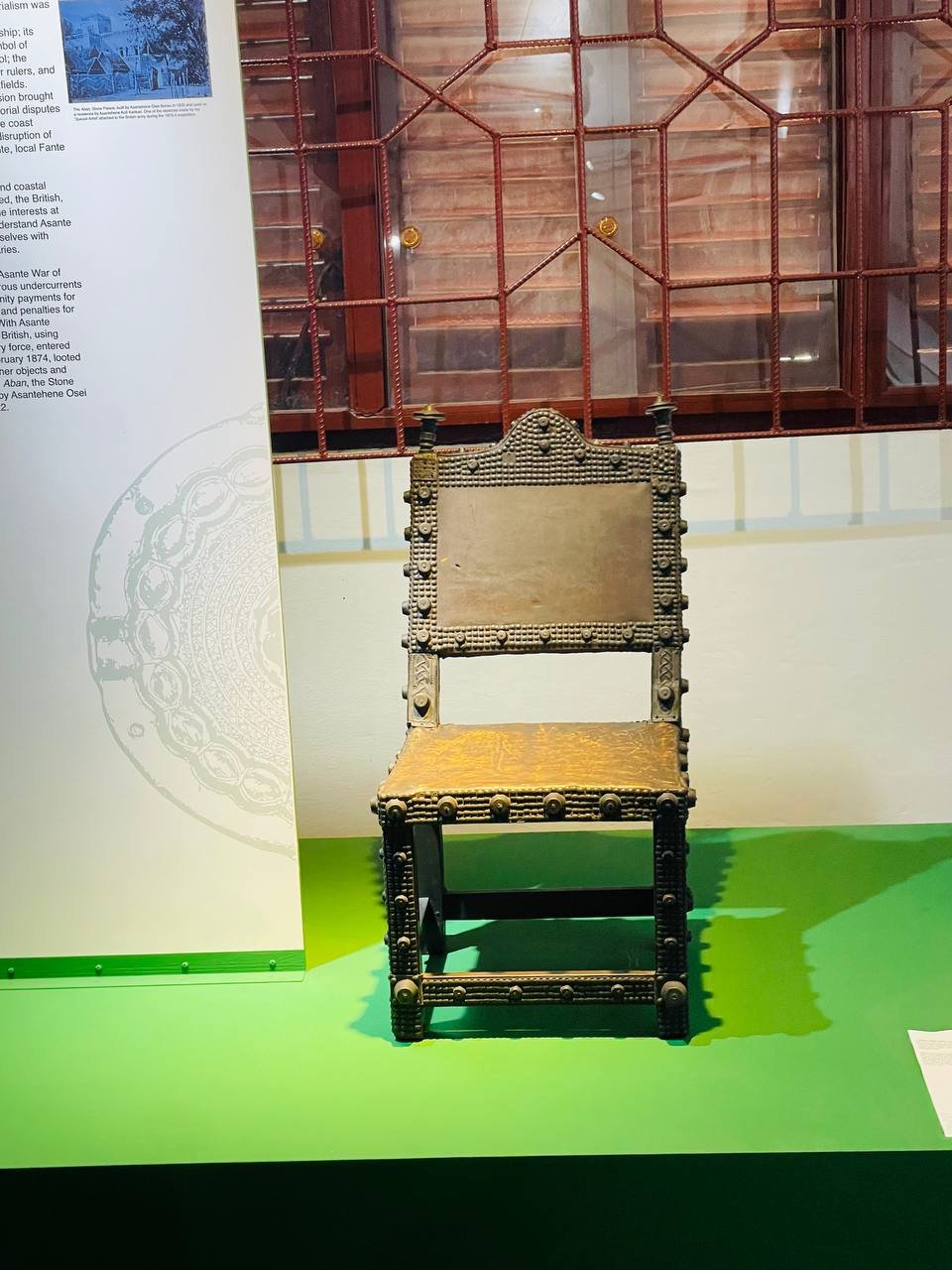
The Asanteman Council: Africa's First Democratic Institution
While many African kingdoms operated under absolute monarchy, the Asante evolved a unique system balancing monarchical authority with parliamentary consultation—a system that predated European parliamentary democracy by centuries.
Structure and Composition
The Asanteman Council (also called the Council of Divisional Chiefs) consisted of:
- The Asantehene (paramount ruler) as chairman
- The Asantehemaa (Queen Mother) as co-ruler with significant power
- Seven Amantuo (principal chiefs)
- The Okyeame (spokesperson/linguist) as chief advisor
- Divisional and sub-divisional chiefs
- Elders representing major family lineages
Decision-Making Process
The council met regularly to decide matters of state, from military campaigns to legal disputes. Decisions required consensus or substantial majorities, preventing any single ruler from imposing tyrannical rule. The Okyeame played a crucial role, translating the ruler's words into formal declarations and serving as keeper of royal protocols.
The Golden Stool and Legitimacy
The Golden Stool, the sacred symbol of Asante nationhood, carried immense authority in council proceedings. Decisions made by the council regarding the Golden Stool were considered to have divine sanction, binding on all states in the confederacy.
Checks and Balances
The Asanteman Council operated as an effective check on ruler power. If an Asantehene became unpopular or ineffective, the council could remove him through a process called destoolment—a formal removal from power that acknowledged his violation of the social contract between ruler and ruled.
Comparison with European Governance
When European observers encountered the Asante system in the 19th century, many recognized its sophistication. The Asanteman Council functioned much like a parliamentary body, requiring consensus and balancing individual states' interests with central authority—principles that would not become common in Europe until well into the modern era.
The Role of Women in Government
The Asantehemaa (Queen Mother) held not merely ceremonial powers but significant political authority. She could veto council decisions, maintained her own court and treasury, and controlled the matrilineal succession system that determined who would become the next Asantehene. This guaranteed women's representation at the highest levels of government.