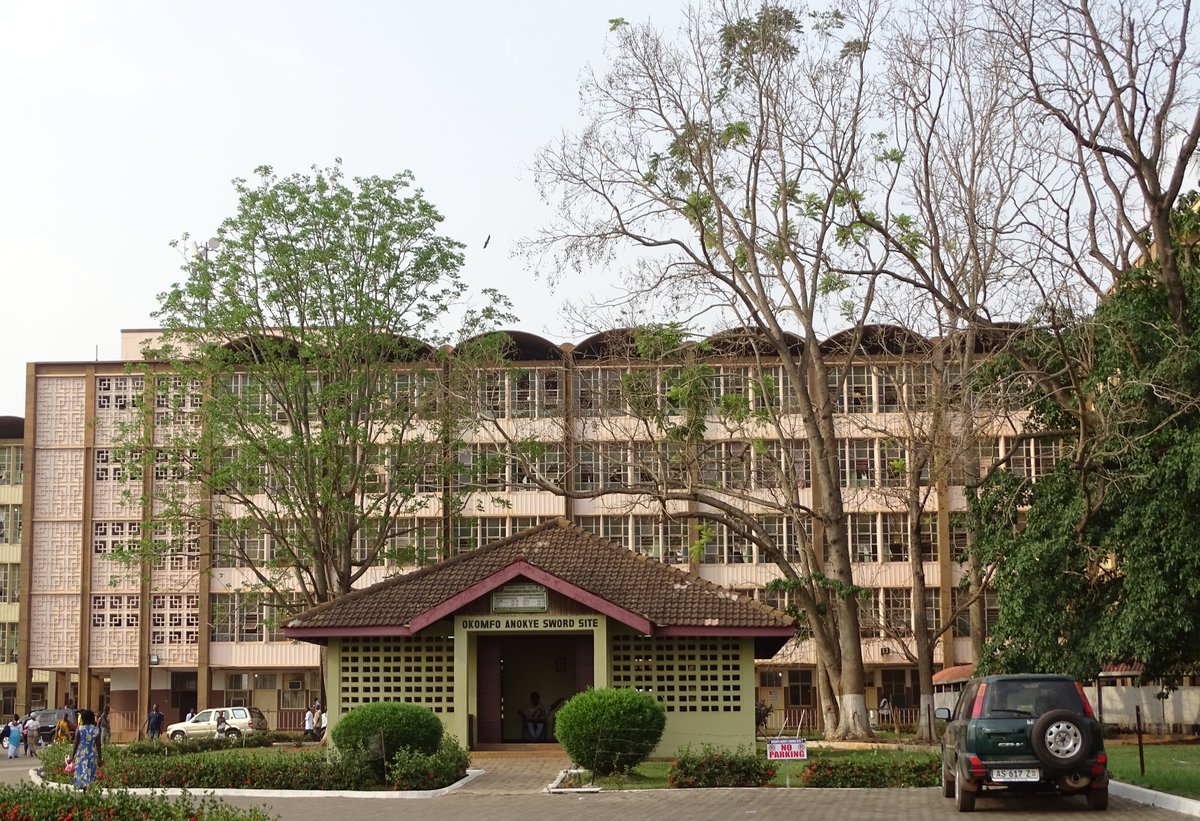
Okomfo Anokye: Spiritual Visionary and Nation-Builder
Okomfo Anokye represents one of history's most influential religious figures, whose spiritual vision shaped a nation and whose legacy endures in contemporary Ghana.
Historical Background
Little is definitively known about Okomfo Anokye's early life, but traditions date him to the late 17th century, making him contemporary with Osei Tutu I. He emerged as the high priest of the Asante kingdom at a critical moment in its history.
The Golden Stool Presentation
Okomfo Anokye's most famous act was presenting the Golden Stool to Osei Tutu I, declaring it contained the soul of the Asante nation. According to tradition, the stool descended from heaven on a Friday, commanding the Asantehene and all Asante people to honor it as the ultimate symbol of national unity and legitimacy.
Spiritual Authority and Legitimization
Okomfo Anokye served as intermediary between the spiritual and political realms. He interpreted divine will regarding state decisions, blessed military campaigns, and provided spiritual sanction for political authority. This role gave Okomfo Anokye extraordinary influence—decisions he blessed were treated as divinely approved.
Religious Reforms
Okomfo Anokye is credited with reforming and systematizing Asante religious practice. He established ritual protocols for major ceremonies, created spiritual protocols binding the confederacy together, and founded shrines that became centers of national religious life. These reforms unified diverse religious practices across the confederation under a common framework.
The Legend of the Stool's Origin
The tradition describing how Okomfo Anokye summoned the Golden Stool demonstrates his legendary status. He reportedly said a prayer on a Friday morning, declaring that if the stool represented the Asante soul, it should descend from the sky. When the golden stool allegedly appeared on Osei Tutu's lap, it fulfilled the prophecy, proving his spiritual power.
Lasting Religious Impact
Okomfo Anokye established the Office of the High Priest as a permanent position in Asante government. The holder of this office served as chief spiritual advisor to the Asantehene and maintained the primary shrines dedicated to national spirits.
Symbolic Power in Modern Ghana
Even in 21st century Ghana, the Golden Stool remains a symbol of national identity and Akan pride. Okomfo Anokye's role in establishing this symbol ensures his place in contemporary cultural consciousness. The stool is displayed on official occasions and remains fundamentally important to Asante cultural identity.
Historical Assessment
Whether understood literally or as legendary account of historical realities, Okomfo Anokye's role in creating the spiritual framework for the Asante Confederacy was essential. He demonstrated that spiritual leadership could be as structurally important as military or political power in building and maintaining a nation.