The Rise of Akan Peoples to Confederation
In the early 17th century, the Akan-speaking peoples of what is now Ghana existed as independent states with shared cultural traditions but no unified political structure. The great transformation began when visionary leaders recognized the power of unity.
Osei Tutu I and the Golden Stool (1697)
Osei Tutu I, born around 1650, emerged as the brilliant military strategist and diplomat who would unite these fragmented kingdoms. With the spiritual guidance of the high priest Okomfo Anokye, Osei Tutu conceived of a new political framework that would bind the Akan peoples together under a common symbol and government.
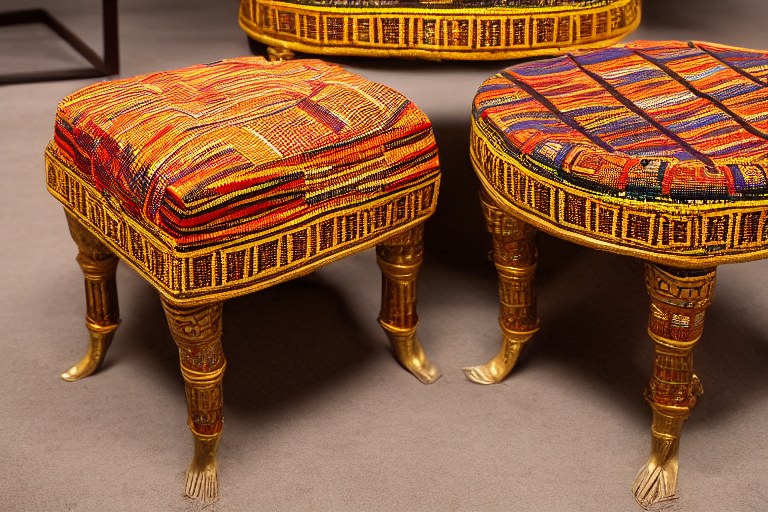
In 1697, Okomfo Anokye presented the Golden Stool to Osei Tutu, declaring it as the symbol of the Asante nation's soul and unity. According to tradition, the stool descended from the sky during a Friday prayer session, emanating divine sanction for the confederation. This was not merely a ceremonial object but the spiritual and political anchor of the new nation.
The Unification Process
Osei Tutu I employed both diplomatic negotiation and military conquest to bring neighboring kingdoms under Asante authority. Key states that joined the confederacy included Kumasi, Bekwai, Mampong, Juaso, Kokofu, and Ejisu. By 1717, when Osei Tutu died, the Asante Confederacy had grown from a small kingdom into a major regional power controlling an estimated 80,000 square kilometers and a population exceeding 3 million people.
The Council of Kings (Asanteman Council)
The confederacy was governed through a sophisticated political system featuring the Asanteman Council, composed of the Asantehene (paramount ruler) and the kings of constituent states. This system balanced centralized authority with checks and balances, preventing any single ruler from becoming tyrannical. Decisions affecting the entire nation required consensus, making it one of Africa's earliest democratic governance structures.
Legacy and Impact
The Asante Confederacy model influenced political thinking across West Africa and stands as testament to the sophistication of pre-colonial African governance. It demonstrated that effective confederation required shared symbols, clear authority structures, and military capacity to enforce unity. The confederacy would endure for over 200 years, becoming one of Africa's greatest empires.