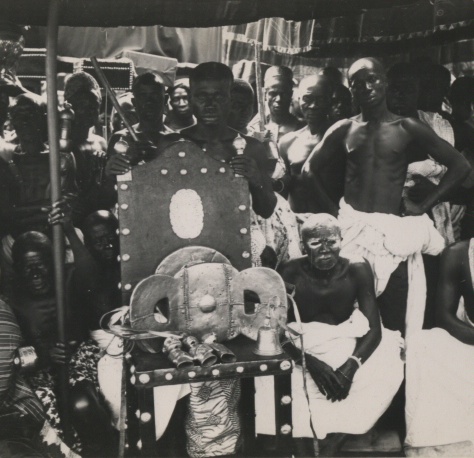
Asante Marriage Customs: Bonding Families and Communities
Asante marriage involved elaborate customs binding two families together through multiple ceremonies and economic exchanges. Marriage was understood as alliance between families, not merely union of two individuals.
Courtship and Negotiation
Marriage began with family negotiations regarding bride-price (trokosi), establishing obligations and expectations. Young people had some choice in partners, though families made final decisions. The negotiation process lasted weeks, with intermediaries facilitating discussions.
Wedding Ceremonies
Multiple ceremonies marked the marriage process: betrothal ceremonies formalizing intent, bride-price payment ceremonies establishing economic transfer, and wedding ceremonies joining the couple. Each ceremony served distinct functions in binding the union.
Extended Family Integration
Marriage created ongoing relationships between families. The groom's family maintained obligations to provide for the couple and show respect to the bride's family. The bride's family retained authority over the woman and her children, particularly regarding property and inheritance.