Asante Culture: Art, Music, and Tradition During the Golden Age
The wealth and stability of the Asante Empire during the 18th century enabled extraordinary cultural flourishing in arts, music, craftsmanship, and intellectual traditions.
Kente Cloth: Weaving Excellence
The Asante became renowned throughout West Africa for kente, hand-woven cloth featuring intricate patterns and brilliant colors. Royal kente cloth incorporated gold thread and was worn by the Asantehene and high nobility. Ewe weavers of neighboring territories became famous as suppliers to the Asante court, though Asante weavers also produced magnificent cloth.
Kente patterns bore names and meanings—Adinkrahene (King of Patterns), Oduom (patience), Gyedua (sycamore)—that communicated messages through color and design. Wearing kente became a statement of cultural identity and wealth.
Golden Masterpieces
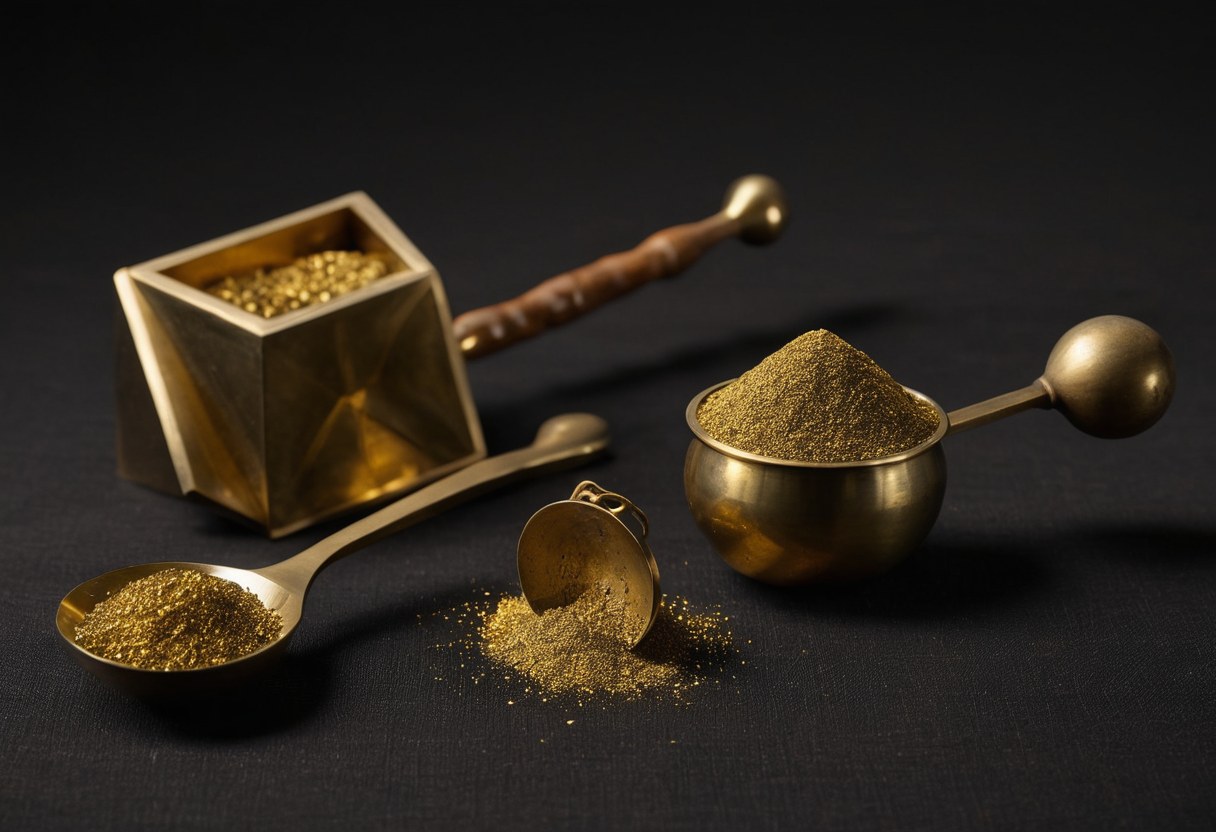
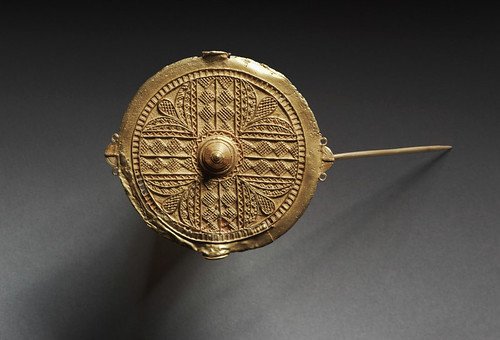
Asante goldsmiths created remarkable artifacts including golden swords (akrafena), royal pendants (denkyira), and ceremonial gold weights used in trade. These pieces combined functional excellence with artistic beauty, often incorporating symbols representing royal authority and spiritual power.
Adinkra Symbols
The Asante developed adinkra symbols—geometric designs with deep meanings—stamped onto cloth and carved into wood. These visual proverbs communicated wisdom: Nyame Dua (God's Tree) represented hope and refuge; Gye Nyame (Except God) affirmed divine supremacy. Adinkra became integral to Asante cultural identity.
Drumming and Royal Music
The royal court employed master drummers performing in complex ensembles. The atumpan (talking drums) could transmit messages across distances through rhythmic patterns. Royal music marked ceremonies, acclaimed victories in war, and communicated with spiritual forces.
Dance and Ceremony
The Adowa dance, originally a funeral celebration, evolved into a communal expression of joy and unity. The Kpanlogo and other dances connected Asante people to ancestral traditions while allowing creative expression.
Oral Traditions and Griot Culture
Professional griots (historians/storytellers) preserved royal genealogies, military histories, and cultural knowledge. They recited elaborate praise poetry honoring the Asantehene and teaching moral lessons through storytelling. This oral tradition represented the intellectual heritage of the empire.
Craftsmanship Legacy
Wood carvers created the renowned akua ba (fertility dolls) and ornamental stools representing political power. These items combined spiritual significance with aesthetic excellence, influencing West African art for centuries.