Asante Naming Practices and Personal Identity
Asante naming traditions connected individuals to family lineages, ancestral legacy, and spiritual forces. Names were not arbitrary choices but deliberate connections to family history, circumstances of birth, and parental hopes.
Naming System Complexity
Children received multiple names: birth order names (Kwame for Monday-born males, Akosua for Sunday-born females), day-names indicating birth day, and personal names chosen by parents honoring ancestors or expressing hopes. The combination of names told the child's story.
Bestowed Titles
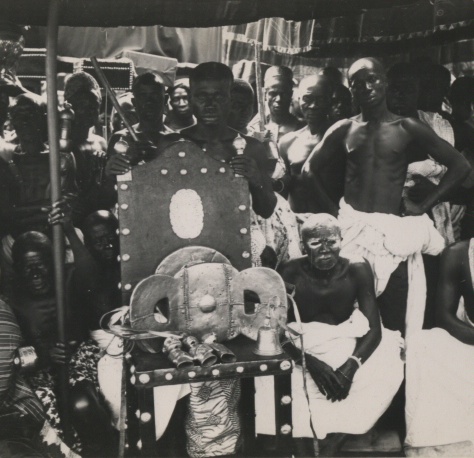
Elite and accomplished individuals received titles reflecting their achievements and social roles. Chiefly titles were highest honor, conveying authority and prestige. Professional titles recognized mastery in crafts, military arts, or religious practices.
Identity and Belonging
The naming system created identity firmly embedded in family and community. A person's name indicated their place in genealogical and social structures, their connections to ancestors, and their relationship to the community. Names changed with significant life transitions, marking transformation.