How the Collections Were Formed
Asante objects reached European museums by several distinct routes, and knowing which route a given object took is the first step in understanding it.
- Trade and gift exchange. Two and a half centuries of Dutch presence at Elmina produced a steady flow of gold weights, textiles, brasswork and everyday objects into Dutch hands, some bought, some given diplomatically. These form the older layer of the Dutch holdings.
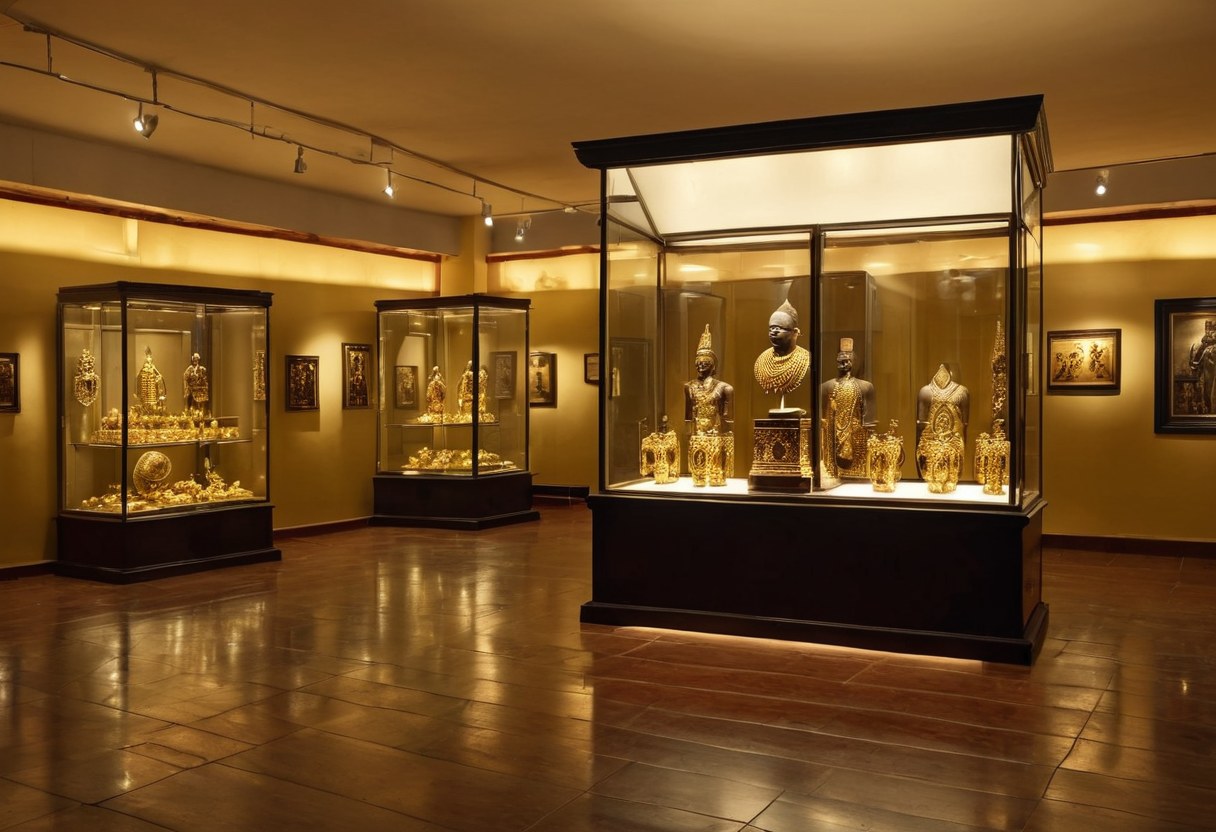
- Military seizure. The British expedition that sacked Kumasi in 1874 removed a large quantity of royal gold and regalia, much of which was auctioned in London that year and dispersed into public and private collections. The deposition of Prempeh I in 1896 produced a second wave.
- Colonial-era collecting. From the late nineteenth century, missionaries, officials, traders and professional collectors assembled ethnographic material for museums that were expanding rapidly and competing with one another.
- Modern acquisition. Purchases on the art market through the twentieth century, and commissioned or purchased contemporary work.
The Dutch Collections
The main Dutch holdings sit with the Wereldmuseum, the organisation formed from the merger of the ethnographic museums at Amsterdam, Leiden, Rotterdam and Berg en Dal, which since 2023 operate under a single name and share one collection. Its West African holdings include gold weights, kente and adinkra textiles, brass and wooden objects, stools and regalia, together with substantial photographic and archival material from the Gold Coast.
The Rijksmuseum holds material relating to the Dutch presence overseas — paintings, prints, maps, silver and objects connected with the West India Company and Elmina — and is a natural complement to the ethnographic collections. Regional and university museums across the Netherlands hold smaller groups, often with strong local provenance from families with Gold Coast connections.
Elsewhere in Europe
- The British Museum holds one of the largest collections of Asante material anywhere, including gold regalia associated with the 1874 expedition, and its catalogue is fully searchable online.
- The Victoria and Albert Museum holds Asante gold and metalwork, likewise from the nineteenth-century removals.
- The Wallace Collection in London holds Asante gold acquired in the aftermath of 1874 — an unusually well-documented case of the London art market absorbing material taken in a colonial campaign.
- University and city museums across Britain, Germany and Belgium hold ethnographic material collected in the colonial period, often catalogued to a lower standard and correspondingly under-researched.
Searching the Catalogues
Almost all of these institutions now publish their collections online, and a researcher can do a great deal without travelling. A few habits make the difference between a frustrating search and a productive one.
Search on object terms, not only on "Asante"
Catalogue records reflect the vocabulary of the era in which they were written. Older records may say Ashanti, Ashantee, Gold Coast, Guinea, or simply West Africa. Search the object type as well: gold weight, goudgewicht, kuduo, akrafena, kente, adinkra, linguist staff.
Read the acquisition field
The donor or vendor name, the year of acquisition and the preceding owner are usually the most informative parts of a record. A British acquisition dated 1874 or 1896 is telling you something. A Dutch acquisition from a family with Elmina connections is telling you something else.
Expect uneven description
Many records are thin, some are wrong, and attributions to "Ashanti" were applied loosely to Akan and even non-Akan material. Treat a catalogue attribution as a hypothesis.
Ask about what is not displayed
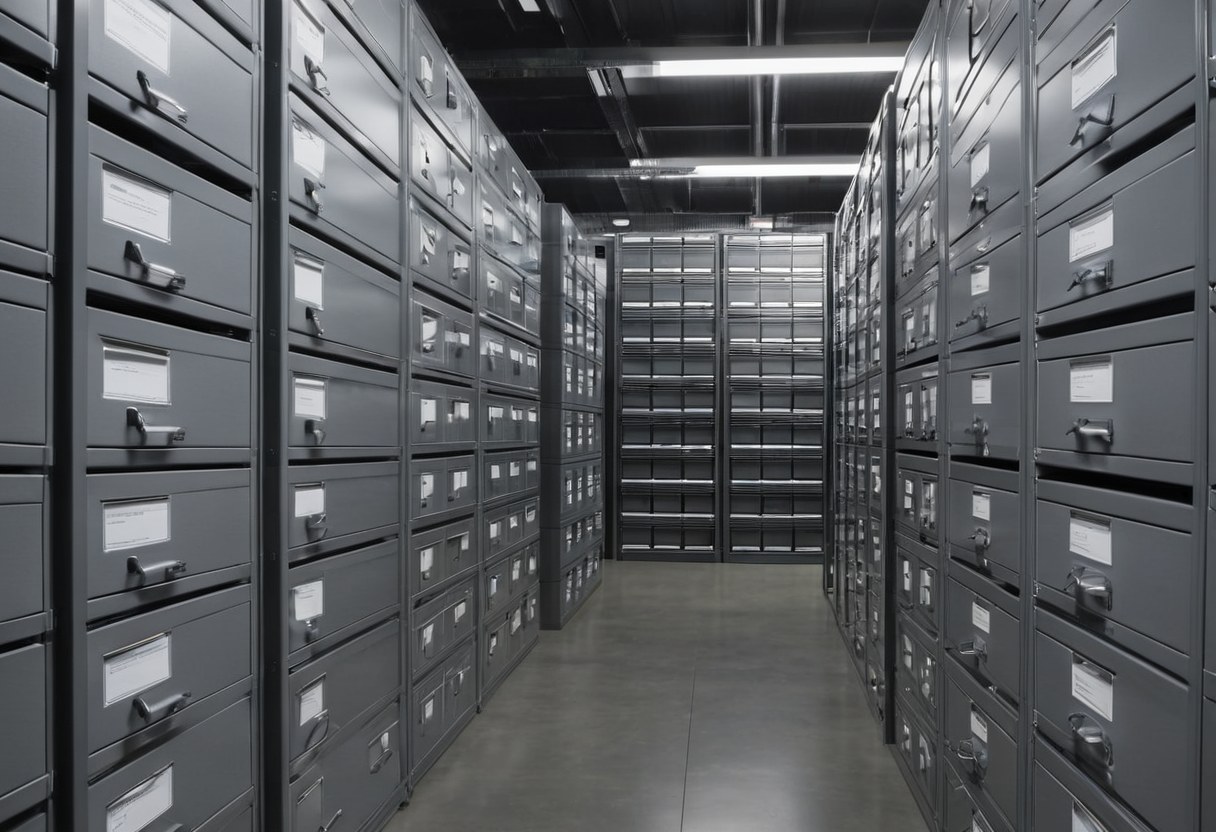
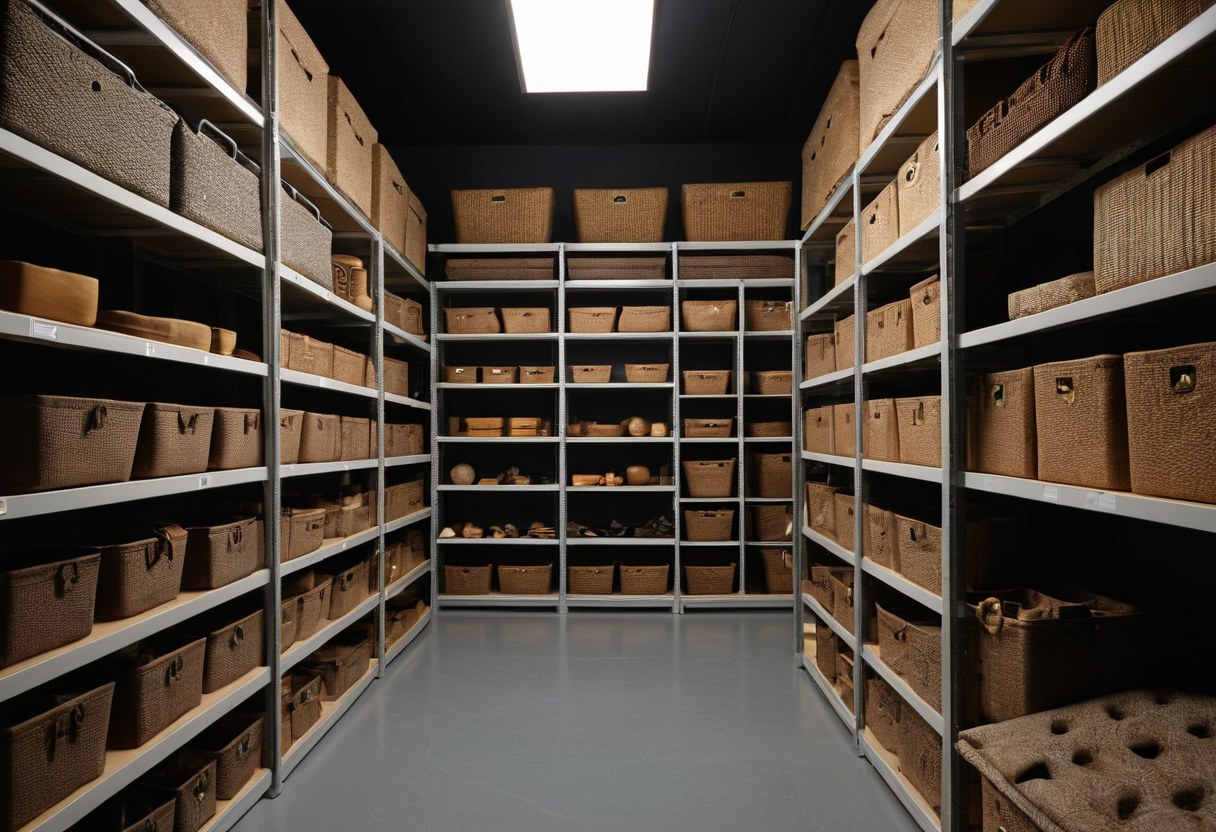
The great majority of any ethnographic collection is in storage. Curators and collection registrars can often answer questions about unpublished material, and study visits to storage are possible at many institutions by arrangement.
Provenance Is Now Part of the Record
Dutch museums have carried out systematic provenance research on their colonial collections in recent years, and results are increasingly published in the online catalogues themselves. Where an object is known or suspected to have been acquired involuntarily, this is now more likely to be stated than concealed. Researchers should read those provenance notes closely: they represent current institutional knowledge, they are revised as work continues, and they are the practical starting point for any question about return.
A Note on What Museums Cannot Tell You
A European catalogue entry records what an object is made of, when it entered the collection and who sold it. It rarely records who made it, for whom, on what occasion, or what it meant. That information survives in Kumasi, in the practice of living craftspeople, and in the collections held by the Asante state itself. Collections research that stays in Europe answers only half the question.