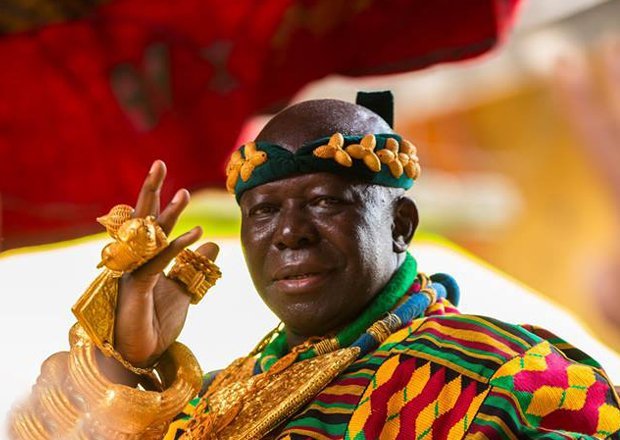
Osei Tutu I: Founder and Visionary (c. 1650-1717)
Osei Tutu I stands as one of Africa's greatest political geniuses, creating a confederation that unified diverse peoples and established one of the continent's most powerful empires.
Early Life and Rise to Power
Born around 1650 in what is now Ghana, Osei Tutu originated from the royal lineage of Kumasi but was raised outside his homeland, giving him external perspective. He reportedly spent time among neighboring kingdoms, observing their political systems and military organizations.
Vision for Confederation
Rather than attempting to conquer neighboring Akan states, Osei Tutu envisioned a confederation binding them together under a common framework and symbol. This diplomatic approach proved more sustainable than military conquest alone, as it allowed constituent states to maintain their own rulers while accepting Asante suzerainty.
Partnership with Okomfo Anokye
Osei Tutu's collaboration with high priest Okomfo Anokye proved crucial. While Osei Tutu handled military and diplomatic matters, Okomfo Anokye provided spiritual legitimization through the presentation of the Golden Stool. This division of labor—military power combined with spiritual authority—proved essential to the confederation's success.
The Golden Stool
In 1697, Okomfo Anokye presented the Golden Stool to Osei Tutu, declaring it the embodiment of the Asante nation's soul. According to tradition, it descended from heaven during prayer, providing divine sanction for the confederation. This object became central to Asante identity and remains so to this day.
Military Campaigns and Expansion
While diplomacy was his preference, Osei Tutu did not shy from military action. He led campaigns against the Domaa, Denkyira, and other states, establishing Asante military supremacy. Victories in battle demonstrated Asante power while negotiations brought former enemies into the confederation.
Administrative Innovations
Osei Tutu established the Asanteman Council as the supreme governing body, balancing his own authority with the chiefs of constituent states. This innovation created a sustainable political system that would endure for centuries.
Death and Legacy
Osei Tutu died in 1717 (some sources say 1720), having transformed a small kingdom into the foundation of a major empire. His confederation system, the Golden Stool's spiritual significance, and his model of balancing military power with diplomatic wisdom became the template for Asante governance and remain influential in Ghanaian politics to this day.
Historical Significance
Osei Tutu demonstrated that African political organization could be sophisticated, sustainable, and effective. His confederation predated European nation-states' movement toward representative governance and equaled or exceeded European political sophistication of the era. His legacy proves that African precolonial political development matched any society's complexity and effectiveness.