Asante Metalwork and Sculpture: Artistic Excellence
Asante craftspeople created remarkable metal and wooden objects blending functionality with aesthetic excellence, establishing standards for West African artistic production.
Goldsmithing: The Highest Craft
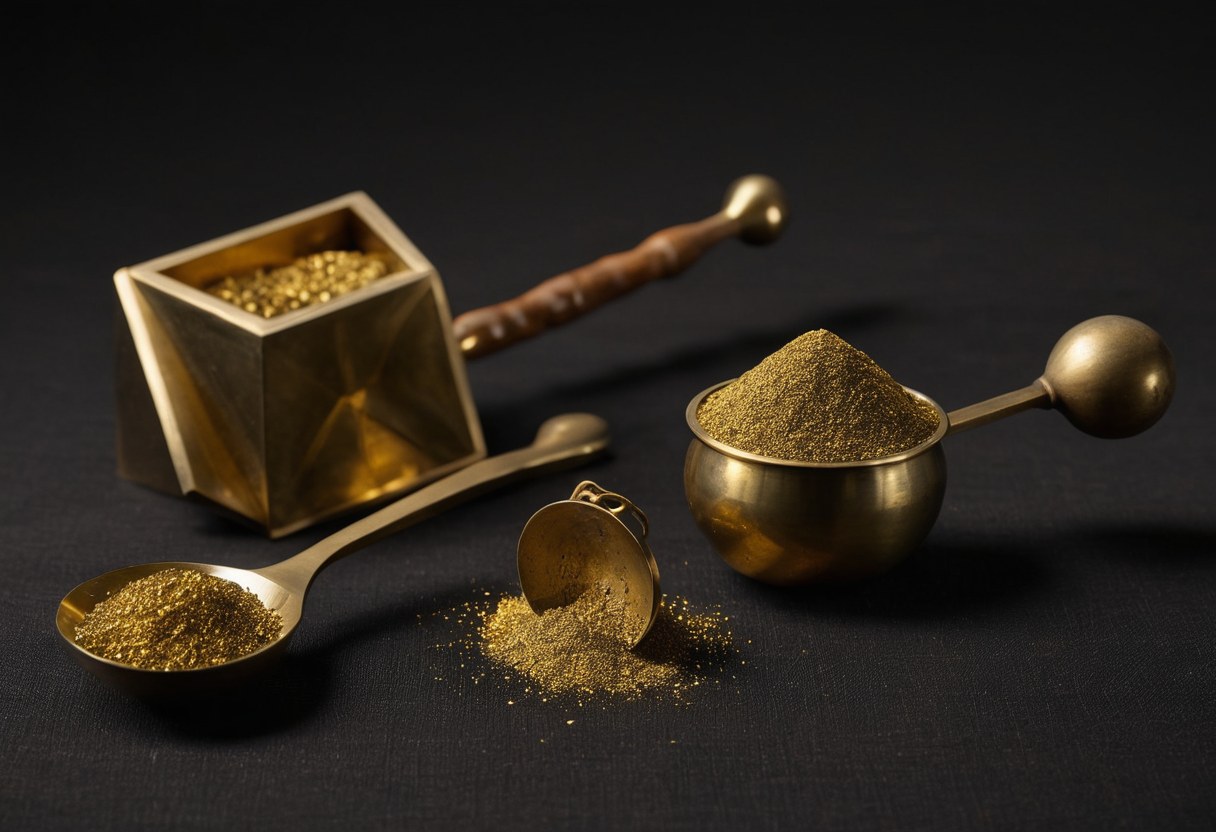
Asante goldsmiths created objects of extraordinary beauty: royal pendants (denkyira), ceremonial swords (akrofena), and intricate ornaments. The Asantehene's court employed master goldsmiths, who enjoyed high status and the privilege of working in the royal presence.
Techniques and Innovation
Asante goldsmiths developed sophisticated techniques for working gold, including lost-wax casting, filigree, and granulation. These methods created fine detail and weight efficiency, allowing creation of large ornaments using modest quantities of precious metal.
Symbolic Objects
Golden objects served symbolic purposes beyond decoration. Royal swords (akrofena) embodied state authority; ceremonial staffs displayed chiefly rank; pectoral ornaments indicated their wearer's position. The Golden Stool itself represented the ultimate in metalworking and spiritual significance.
Wood Carving Traditions
Master carvers produced stools, doors, drums, and decorative panels of extraordinary artistry. The stool held particularly cultural significance—a person's stool (not the Golden Stool, but personal stools) represented their authority and social position. Royal stools featured elaborate carving and decoration.
Iron and Brass Work
Blacksmiths and brass workers created tools, weapons, and ornamental items. Iron weapons—swords, spears, and firearms fittings—combined functionality with decorative embellishment. The most skilled blacksmiths gained recognition and stable income from their expertise.
Status and Guild Organization
Skilled metalworkers and sculptors received court patronage and royal protection. Guild-like organizations maintained training standards and prevented competition from degrading quality. Master craftspeople sometimes achieved status approaching nobility through their artistic excellence.